The Orange Scientist
Unit 7
Latham Road Business Park
Latham Road
Huntingdon
Cambridgeshire
PE296YE
Customer Care:
Email: hello@theorangescientist.co.uk
 Laboratory Research Equipment
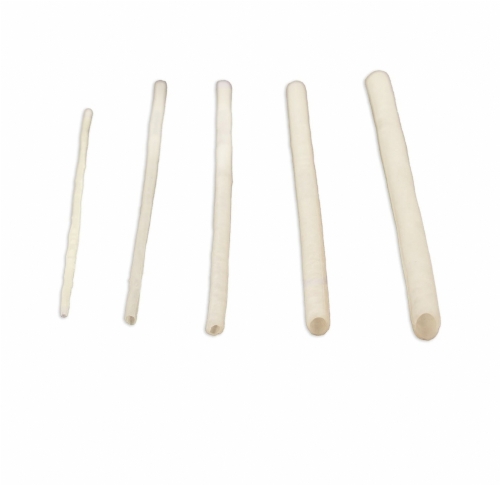
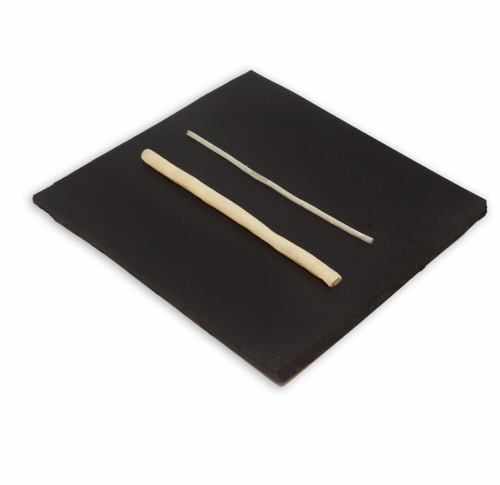
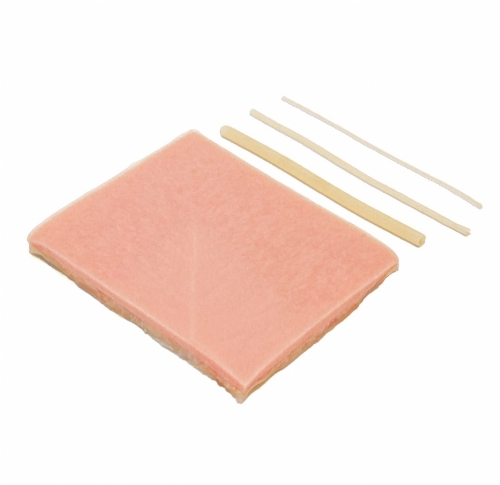
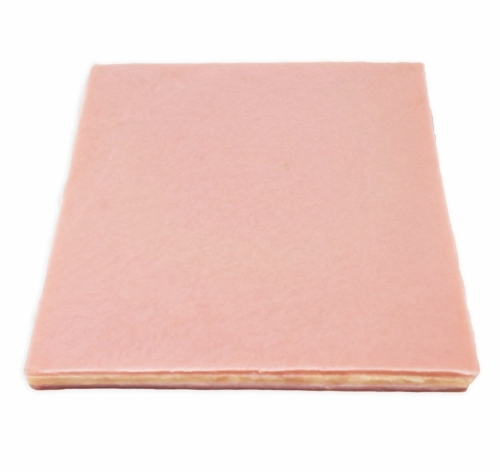
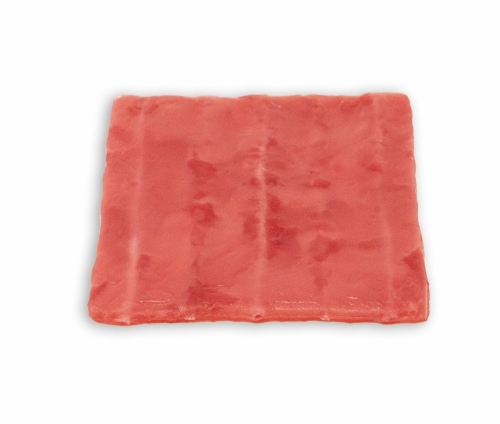
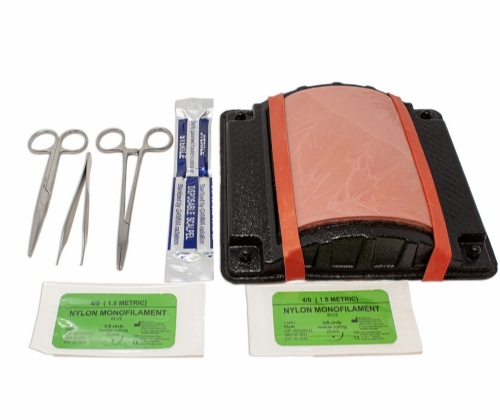
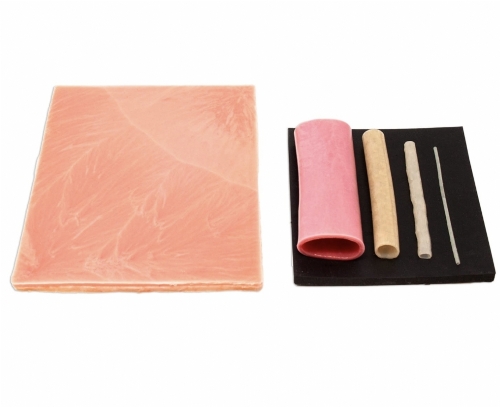
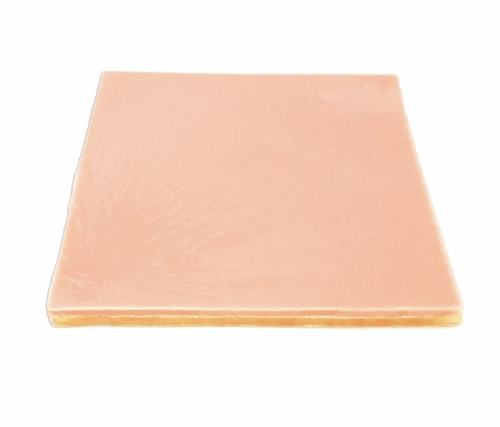
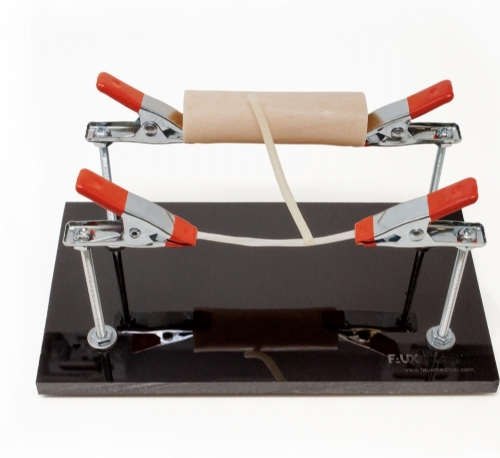
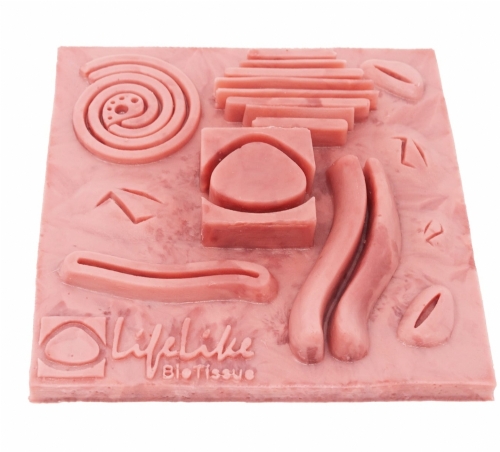
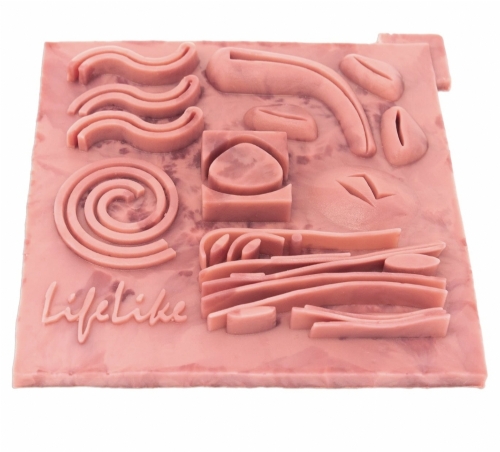
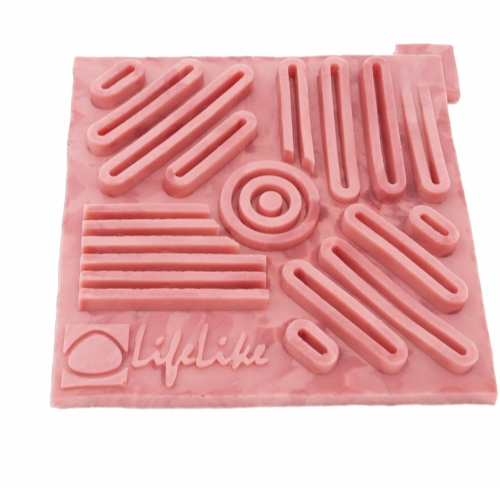
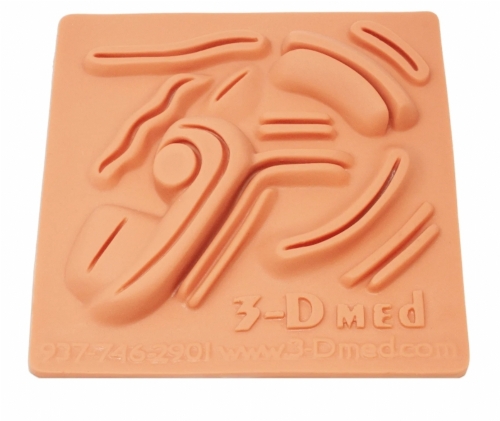
Plastic surgery training models provide a realistic environment for developing delicate surgical techniques used in reconstructive and microsurgical procedures.
These simulation models allow surgeons and trainees to practise precision techniques such as microsurgical suturing, vessel anastomosis and nerve repair in a controlled learning environment.
Microsurgical procedures require exceptional accuracy and fine motor skills. Training models help surgeons develop these skills through repeated practice, improving surgical precision and confidence.
Plastic surgery simulation models are widely used in surgical training centres, medical schools, teaching hospitals and specialist microsurgery laboratories.
Training Applications
Plastic surgery training models support a wide range of reconstructive and microsurgical procedures including:
• Microsurgical vessel anastomosis
• Nerve repair training
• Microvascular suturing practice
• Reconstructive surgery simulation
• Delicate tissue handling techniques
• Advanced suturing skills development
• Microsurgical residency training
• Surgical education workshops
These models provide surgeons with the ability to practise complex procedures with realistic tissue behaviour.
Key Features
Modern plastic surgery simulation models are designed to replicate the mechanical properties of human soft tissue and microvascular structures.
Typical features include:
• Realistic soft tissue behaviour
• Micro-diameter vessels for microsurgery training
• Suitable for fine suturing and microsurgical instruments
• Anatomically accurate training structures
• Reusable models designed for repeated practice
• Compatible with surgical microscopes and training environments
These features make plastic surgery simulation models highly effective for microsurgical education.
Ideal Training Environments
Plastic surgery training models are commonly used in:
• Microsurgery training laboratories
• Medical schools and surgical training centres
• Teaching hospitals
• Plastic surgery residency programmes
• Surgical education workshops
• Clinical skills training environments
Simulation models provide a safe environment where surgeons can refine advanced surgical techniques.
Typical Products in This Department
Products commonly found in plastic surgery training include:
• Microsurgery vessel models
• Nerve repair training models
• Microvascular anastomosis models
• Embedded microvessel tissue models
• Reconstructive surgery practice models
• Microsurgical training packs
These models allow surgeons to practise high-precision procedures with realistic anatomical simulation.